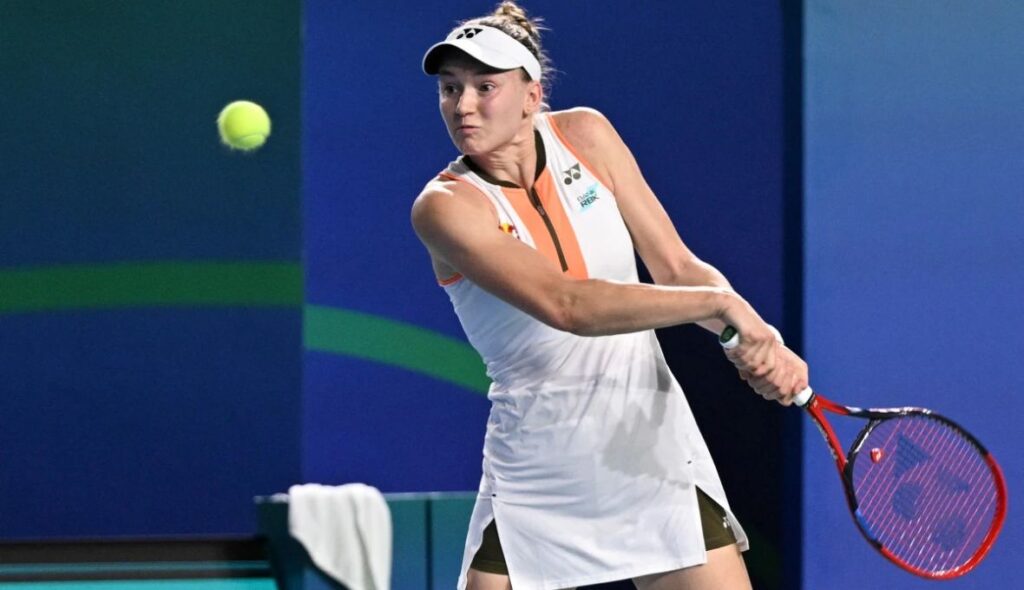

The Women’s Singles Final at the Australian Open 2026 promises fireworks as world number one Aryna Sabalenka faces one of her fiercest rivals, Elena Rybakina, in a blockbuster showdown at Rod Laver Arena. With Sabalenka chasing a historic third Australian Open title in Melbourne, and Rybakina standing firm as the ultimate roadblock, Saturday’s final is shaping up to be a defining moment in modern women’s tennis.
This clash is not just about silverware. It is about power versus poise, dominance versus disruption, and legacy versus ambition. As two of the hardest hitters in the women’s game prepare to collide, fans around the world are bracing for a hard-hitting final worthy of the Australian Open’s biggest stage.
Australian Open 2026 Women’s Final: The Ultimate Power Battle
The Australian Open has earned a reputation for hosting some of the most physically demanding and explosive matches in tennis. Fast courts, lively bounce, and intense heat reward players who can strike cleanly and move decisively.
Few matchups embody these traits better than Sabalenka vs Rybakina.
Both players bring:
- Exceptional serving power
- Flat, penetrating groundstrokes
- Mental toughness in big matches
As a result, the 2026 women’s final is widely expected to be decided by fine margins rather than extended rallies.
Aryna Sabalenka’s Melbourne Dominance So Far
Aryna Sabalenka’s relationship with Melbourne has been nothing short of remarkable. The Belarusian has transformed the Australian Open into her most successful Grand Slam, combining confidence, comfort, and commanding performances on hard courts.
Why Melbourne Suits Sabalenka Perfectly
Sabalenka thrives at the Australian Open because:
- The surface rewards her aggressive baseline game
- Her serve gains extra bite under Melbourne conditions
- She embraces high-pressure moments on big stages
Entering the final as world number one, Sabalenka carries both momentum and expectation.
Chasing A Third Australian Open Title: What’s At Stake
A victory on Saturday would elevate Sabalenka into elite company. Winning three Australian Open titles would:
- Cement her status as the dominant hard-court player of her era
- Strengthen her grip on the world number one ranking
- Place her among the modern greats of the women’s game
However, history shows that chasing milestones often brings additional pressure—pressure that Rybakina will look to exploit.
Elena Rybakina: The Ultimate Disruptor
If there is one player capable of halting Sabalenka’s Melbourne march, it is Elena Rybakina. Calm, composed, and devastatingly effective, the world number five has built a reputation as a giant-killer on the biggest stages.
Rybakina’s game is tailor-made to challenge Sabalenka:
- Flat groundstrokes that rush opponents
- A serve that earns free points
- Unshakeable composure under pressure
She arrives in the final with nothing to lose—and everything to gain.
Rybakina’s Road To The Australian Open Final
Elena Rybakina’s journey to the 2026 Australian Open final has been defined by consistency rather than chaos. Match after match, she has dismantled opponents with clinical efficiency.
Key features of her campaign include:
- High first-serve percentages
- Minimal unforced errors
- Smart shot selection in big moments
Unlike some dramatic runs, Rybakina’s path to the final reflects control and clarity—traits that make her a serious threat.
Sabalenka vs Rybakina: A Rivalry Built On Power
When Sabalenka and Rybakina share a court, the tempo is unmistakably fast. Points are short, serves are thunderous, and momentum can swing in a matter of minutes.
What Defines This Rivalry
- Aggressive first-strike tennis
- Minimal defensive exchanges
- Heavy emphasis on serving efficiency
These factors ensure that every service game and return point carries enormous weight.
Tactical Battle: How The Final Could Be Won
Despite the raw power on display, this final will be decided by tactics as much as technique.
Sabalenka’s Keys To Victory
- Maintaining high first-serve accuracy
- Controlling emotions during momentum swings
- Forcing Rybakina into defensive positions
Rybakina’s Path To Upset
- Neutralising Sabalenka’s return aggression
- Keeping rallies short on her terms
- Staying calm in tie-break situations
Whoever executes their plan more consistently is likely to lift the trophy.
Mental Strength: The Hidden Decider
Grand Slam finals often hinge on mental resilience. Sabalenka, despite her power, has worked hard to refine her emotional control, especially in finals.
Rybakina, meanwhile, is known for her ice-cool demeanour. She rarely shows frustration, even under intense pressure.
In a match where margins are razor-thin, composure could be the deciding factor.
Rod Laver Arena: A Stage Built For Champions
Few venues amplify pressure like Rod Laver Arena. The crowd, the history, and the stakes combine to test even the most experienced champions.
Sabalenka has embraced this atmosphere before. Rybakina, however, has shown time and again that she is unfazed by occasion.
Saturday’s final will be as much about handling the environment as handling the opponent.
Why This Final Matters For Women’s Tennis
Beyond the immediate result, the Sabalenka–Rybakina final reflects the evolution of women’s tennis. Power is no longer a differentiator—it is a baseline requirement.
What sets players apart now is:
- Decision-making under pressure
- Tactical adaptability
- Mental durability
This final encapsulates all three.
Rankings And Legacy Implications
For Sabalenka, a third Melbourne title would strengthen her case as the dominant player of the current generation. For Rybakina, victory would reinforce her status as a genuine Grand Slam force rather than a sporadic challenger.
Either outcome reshapes the WTA landscape.
Fan Expectations And Global Spotlight
With two of the hardest hitters in the sport facing off, fan expectations are sky-high. Anticipation is fuelled by:
- Their contrasting personalities
- Previous high-quality encounters
- The magnitude of the prize at stake
This is the kind of final that transcends rankings and draws in casual fans.
Physical Endurance And Match Fitness
Melbourne conditions test endurance as much as technique. Both players have shown impressive physical conditioning throughout the tournament.
However:
- Long service games
- High-intensity rallies
- Potential tie-breaks
could push physical limits in the final set.
Pressure Of Being World Number One
While Sabalenka enjoys the privilege of the top ranking, it also comes with scrutiny. Every mistake is magnified, and expectations can weigh heavily.
Rybakina, by contrast, plays with relative freedom—a dangerous advantage in finals.
Can Rybakina Deny Sabalenka History?
The central question heading into Saturday is simple: can Elena Rybakina stop Aryna Sabalenka from making Melbourne history?
Based on form, matchups, and mental strength, the answer is far from clear.
What is certain is that Sabalenka will need her best tennis—and perhaps more—to overcome this challenge.
What To Watch For During The Final
Key moments likely to shape the match:
- Early break points
- Tie-break execution
- Response to momentum swings
- Body language under pressure
These details often separate champions from runners-up.
Bigger Picture: The State Of The Women’s Game
This final reflects a women’s tour rich in elite talent and compelling rivalries. Unlike eras dominated by one player, today’s game thrives on unpredictability and depth.
Sabalenka vs Rybakina is not an anomaly—it is the new standard.
Conclusion: A Melbourne Final Worthy Of The Occasion
The Australian Open 2026 women’s singles final between Aryna Sabalenka and Elena Rybakina promises to be a spectacular contest of power, precision, and mental strength. With Sabalenka chasing a third Melbourne crown and Rybakina standing resolute as the final obstacle, the stakes could not be higher.
Whether history is made or halted, Saturday’s clash at Rod Laver Arena is set to leave a lasting imprint on the sport. One player will lift the trophy—but both have already confirmed their place among the elite of modern tennis.